
Okay, so check this out—I’ve been watching MEV blow up across chains for years now. Whoa! At first it looked niche and nerdy; now it feels like a daily poker table in the mempool. My instinct said this was somethin’ to take seriously early on. Honestly, it still surprises me how many users shrug it off.
MEV, or miner/executor extractable value, is basically the profit to be made by reordering, censoring, or inserting transactions into blocks. This can mean frontrunning, sandwich attacks, or more subtle griefing strategies that slowly drain liquidity. Seriously? On one hand MEV funds can help miners and validators, which can be argued as market dynamics; on the other hand these actions can harm regular users who pay for imperceptible slippage and worse. I’ll be honest—this part bugs me.
A wallet isn’t just a place to store keys. It’s the interface between you and a chaotic, sometimes hostile environment where bots and searchers lurk. My first impression was that wallets were neutral, passive tools. Actually, wait—let me rephrase that: wallets are active defenders or passive victims depending on design choices and integrations. Hmm…
Assessing MEV risk means mapping the kinds of transactions you do and how visible they are to mempool observers. Limit orders, big swaps, and contract interactions all have different profiles. Initially I thought a VPN or layering would help; then I realized those are bandaids against systemic problems. On bigger chains, the threat model includes sophisticated relays and private auction systems that can still route activity in surprising ways. Something felt off about assuming a single fix would suffice…
So where does a wallet come in? A wallet can try to reduce exposure by batching transactions, simulating outcomes, selecting optimal gas strategies, or by routing through privacy-preserving relays. It can also surface risks to you before you hit send. Check this out—some wallets run transaction simulation locally to show likely slippage and reverts before you sign. Whoa!
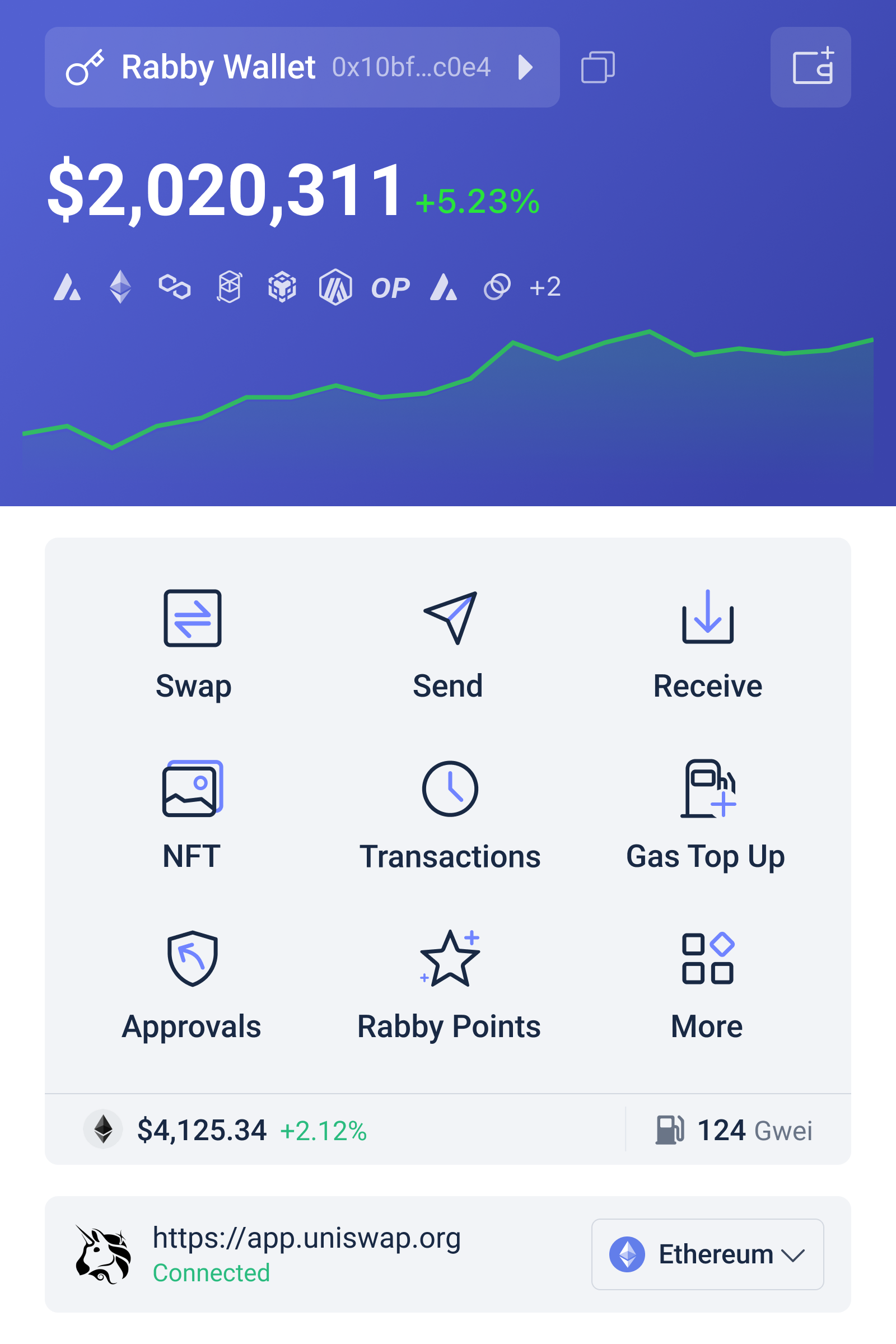
I use the rabby wallet sometimes, and I’ve been impressed with its simulation tooling and focus on safer UX. I’m biased, but product choices like clear simulation outputs and suggested gas limits actually make a difference in day-to-day trades. That said, no wallet is a silver bullet. On one hand the simulation can flag a probable sandwich attack and let you abort; though actually, on the other hand, some front-runners have adapted and can still snatch value in milliseconds. Really?
Practically speaking, do this: catalog your transaction types, estimate visibility (public mempool vs private), measure typical slippage, and decide acceptable loss thresholds. Don’t forget to include UX tradeoffs like latency and convenience in your calculus. I like to run simulations at different gas levels to see how execution order changes. It surprises people how much a slightly higher fee can change whether a bot targets you or not. I’m not 100% sure every heuristic will hold forever.
Strategies that help include private relays (where available), batch transactions where feasible, time-weighted execution, and liquidity-aware order splitting. Also, consider using fee-market features like max-priority-fee adjustments instead of blunt sliders. On some chains, special transaction types or mempool protections exist; keep up with chain-specific tooling. For everyday users, simpler rules work: smaller trade sizes, limit orders, and simulation before signing. Whoa, big trades are where the trouble really starts.
Back to wallets—if a wallet shows a clear ‘expected slippage’ and an alternate route that reduces MEV exposure, that’s valuable. One-off features like a visual mempool preview or step-by-step simulation make users act differently. In my experience, when people see the numbers they change settings and avoid bad outcomes—behavior matters. I’m biased toward tools that nudge safer behaviors rather than relying solely on power-user settings. Okay, so check this out—if you want to try a wallet that balances good UX with simulation capability, consider the rabby wallet as part of your toolkit.
Quick risk checklist
1) Know your exposure: big swaps and aggregator calls are higher risk. 2) Simulate before signing; prefer wallets that surface expected outcomes. 3) Use private relays when they exist and you need confidentiality. 4) Split orders or use TWAP for large sizes to reduce visibility. 5) Keep gas strategies dynamic; bots hunt predictable patterns.
Limitations matter. Private relays can centralize power and create new trust assumptions. Simulations are only as good as the state they run against and they can miss adversarial tactics that adapt. On the other hand, wallets that integrate these tools reduce accidental losses for average users, and that is a real win despite imperfections. I’m not 100% sure where the balance will land in five years, but I have strong opinions.
Here’s the thing. MEV isn’t a distant academic worry anymore. It affects everyday trades and can erode confidence in decentralized finance if left unchecked. So pick tools that make the invisible visible and favor those that help you act before you click confirm. I’m biased, but a wallet that puts simulation front-and-center is worth trying. Try small tests, measure, and adjust. And hey, keep asking awkward questions. We won’t solve everything today, though we’ll get better if we keep pushing for better defaults and smarter UX.
FAQ
How does simulation reduce MEV risk?
Simulations reveal likely execution prices, failures, and gas dynamics, which lets you abort or tweak strategy. They don’t eliminate risk but they reduce surprises. Often the best defense is awareness.
Can a wallet guarantee protection?
No. Guarantees are impossible unless you accept centralization or heavy trust models. A good wallet reduces surface area and nudges safer behavior. On balance, the combination of simulation, smart routing, and user education is powerful.